Thermodynamic Modeling for Gas Turbine Performance
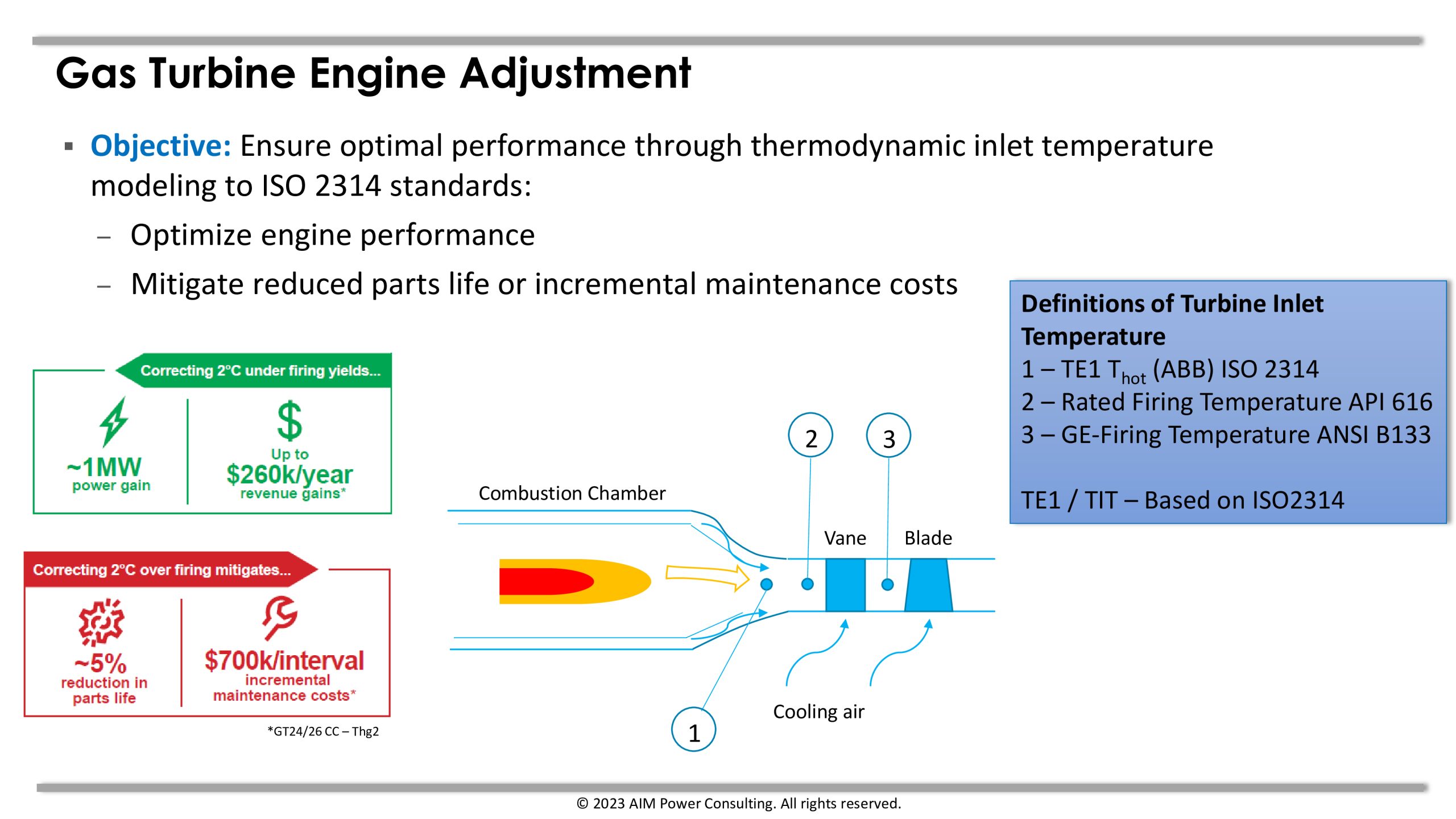
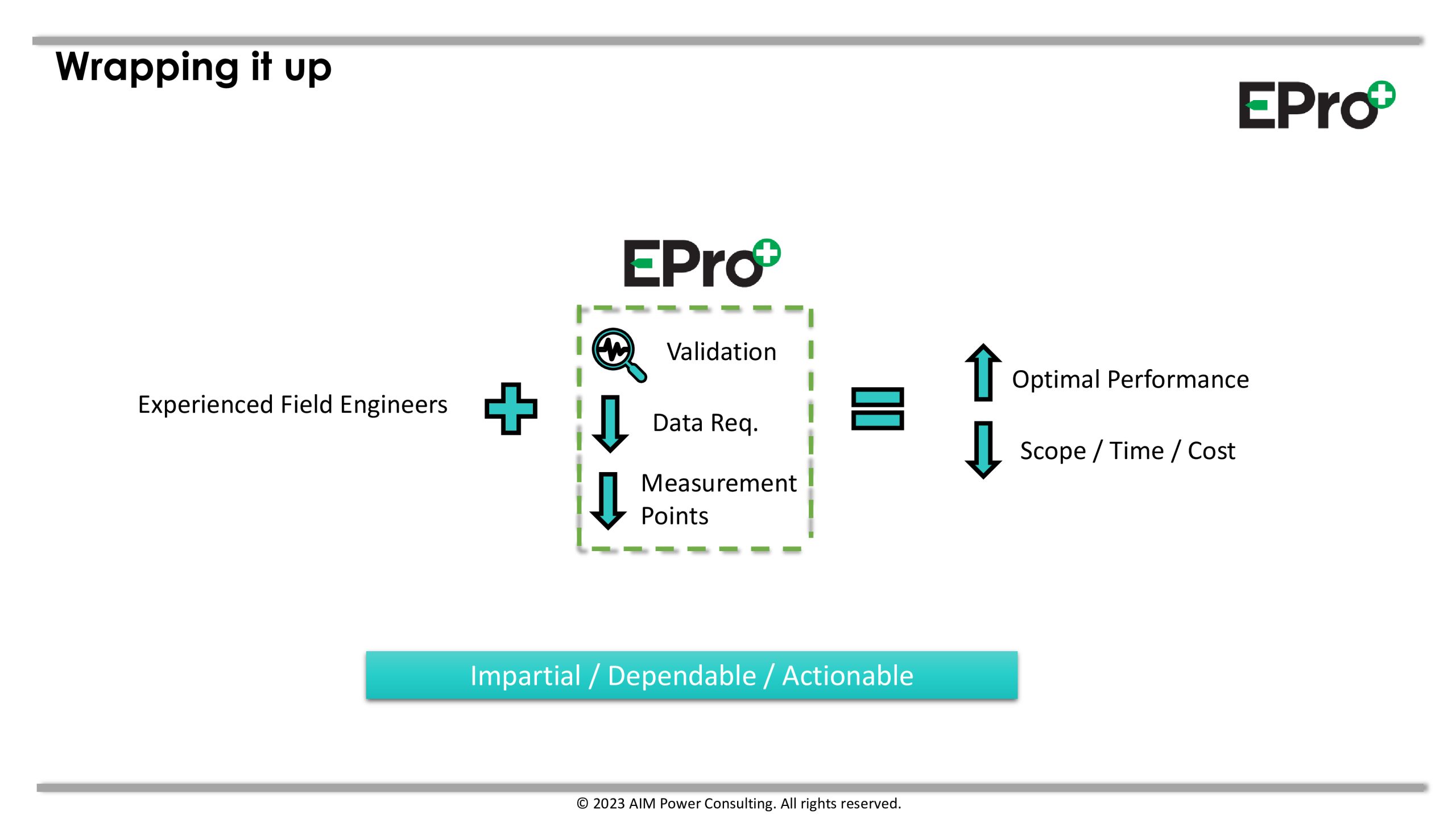
An EPro+ performance evaluation enables optimization of engine performance while helping mitigate reduced parts life and unnecessary maintenance costs. Using precise thermodynamic modelling, it validates firing temperatures, addressing inaccuracies caused by instrument drift, prior tuning errors, or suboptimal hot gas path conditions. The assessment also provides a clear benchmark for detecting potential hardware degradation or early-stage failure, making it a powerful component of a comprehensive predictive maintenance strategy and a key driver of turbine performance optimization.
The EPro Advantage
Impartial Evaluation
Dependable Results
Thermodynamic Inlet
Temperature Modeling (ISO-2314)
Isentropic and Polytropic Compressor Efficiency
Isentropic and Polytropic Turbine/Expander Efficiency
Engine Adjustment Services
Isentropic vs. Polytropic Efficiency
Isentropic efficiency: Assumes an ideal process with no losses adiabatic (no heat transfer) and reversible. It’s mainly used as a theoretical benchmark for compressors and turbines within broader thermodynamic modelling frameworks.
Polytropic efficiency: Reflects real operating conditions accounts for losses like friction and heat transfer. It’s based on actual work done and is used for accurate performance analysis and effective turbine performance optimization.
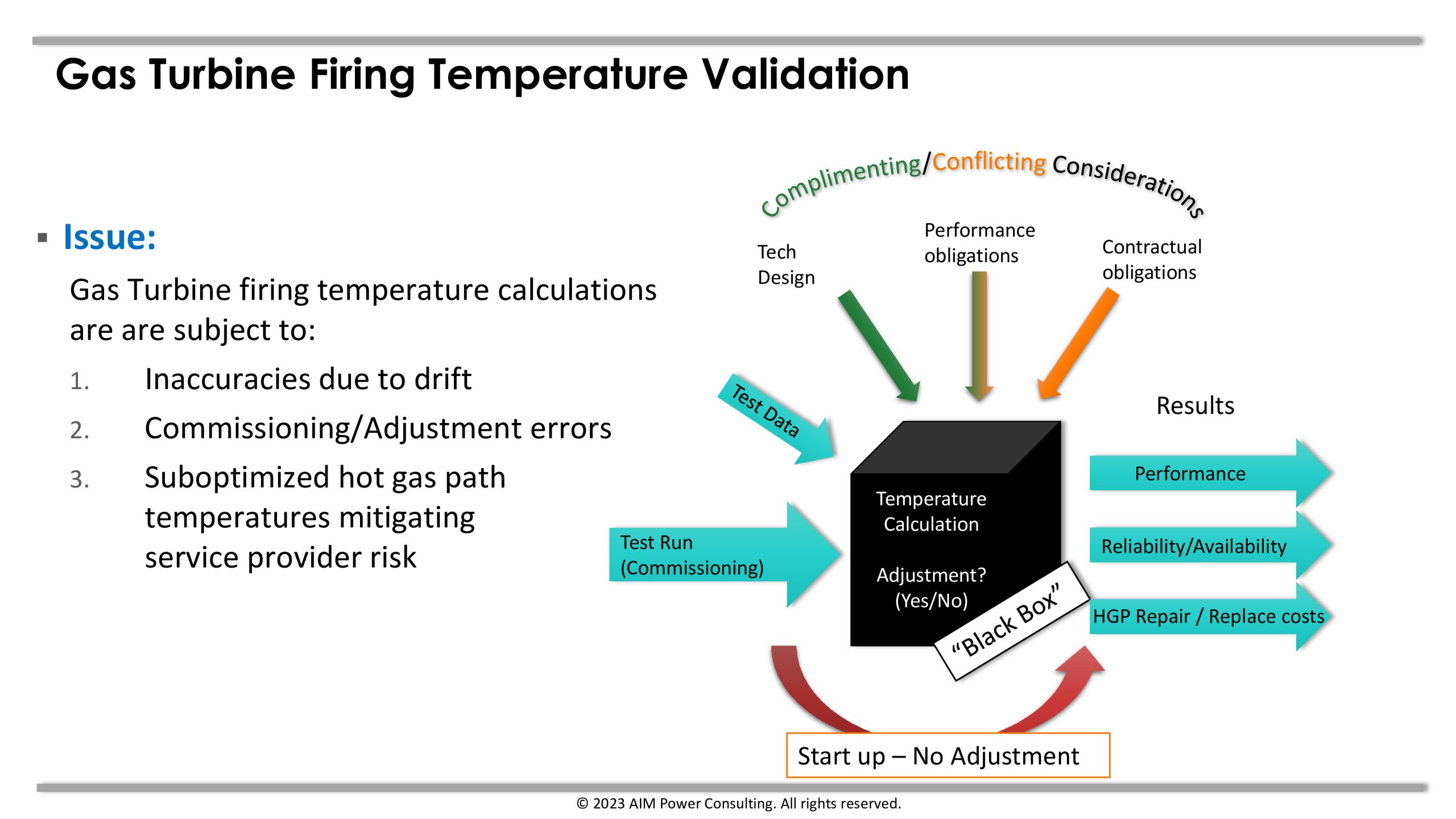
Gas turbine firing temperatures are often treated as a “black box,” relying on calculations that can be affected by instrument drift, commissioning errors, and incorrect adjustments. AIM Power Consulting uses advanced thermodynamic modelling and ISO 2314-based validation techniques to determine the true operating conditions of your turbine. By validating firing temperatures and performance data, we help operators drive turbine performance optimization, improve reliability, extend component life, and reduce maintenance costs, turning complex engine data into analysis and targeted actions that produce measurable results.